Three Interactive Case Studies Available
June 9, 2026 · Philip Healy
Three worked AHP examples are now available as fully interactive public decisions: a Wikipedia car-buying decision, a Brazilian Navy warship procurement, and an engineering decision at The New York Times.
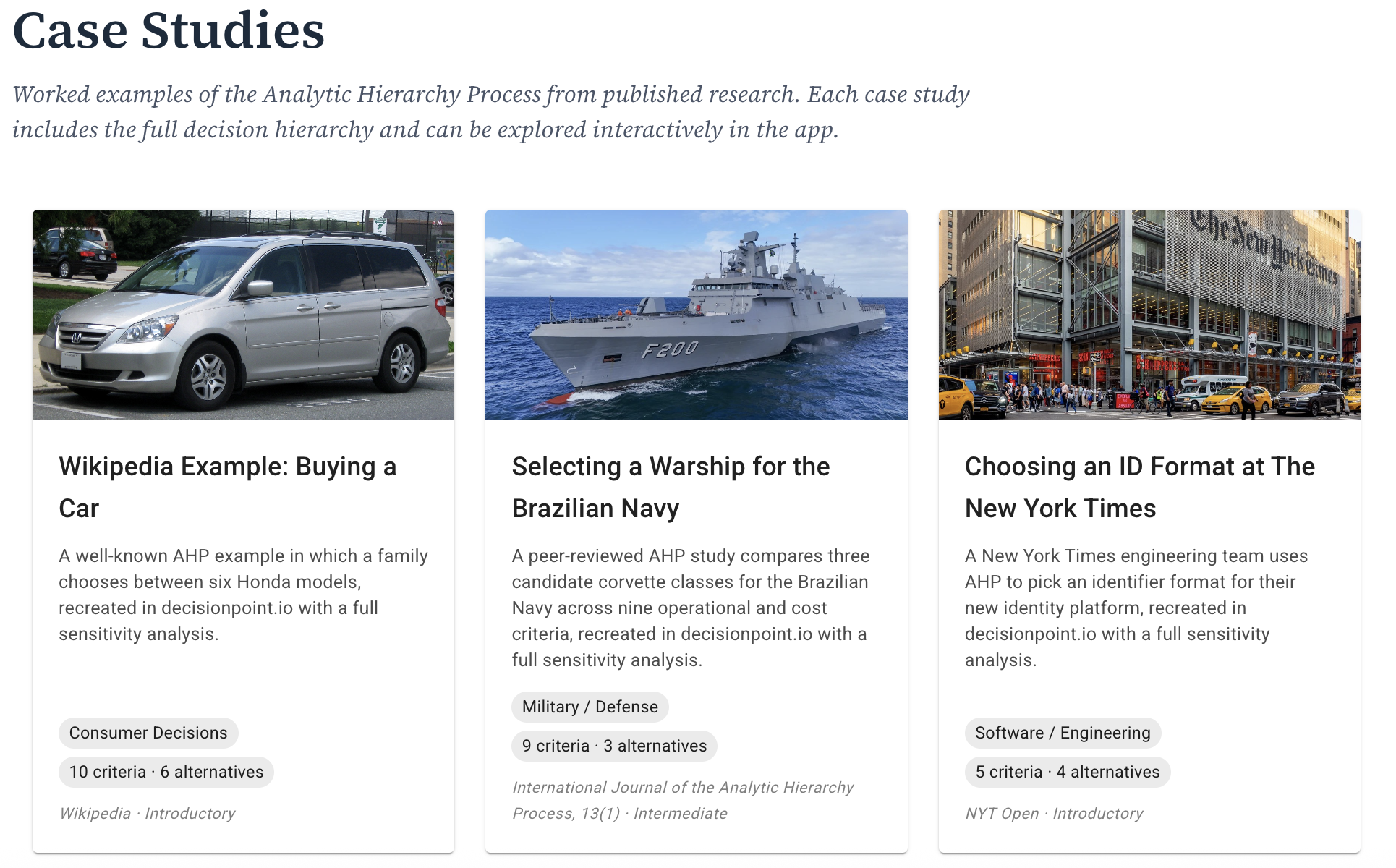
The first batch of AHP case studies is now live. Each one reproduces a published decision end-to-end in decisionpoint.io: the hierarchy, every pairwise judgment, the results, and a full sensitivity analysis.
Why Case Studies?
The main reason is to show what the AHP actually looks like in practice. The method can seem abstract when described in the general sense, and it can be difficult to go from the theory to creating a hierarchy for real decision. Having full worked examples via the case studies will hopefully provide some inspiration. The three studies span very different domains — a family decision, a peer-reviewed military procurement study, and a working engineering team's design choice — to give a sense of the range of problems the AHP can handle.
Another reason is reproducibility as a sanity check. Each study has an independently-published reference set of weights and scores, computed in a different tool. Reproducing those numbers in decisionpoint.io and seeing them match within thousandths is a useful confirmation that the eigenvector implementation, consistency calculations, and results synthesis are all behaving as they should. When the numbers don't quite match (as is the case with the NYT study, where the article uses the geometric mean and decisionpoint.io uses the eigenvector method) the why turns out to be interesting in its own right.
Wikipedia Example: Buying a Car
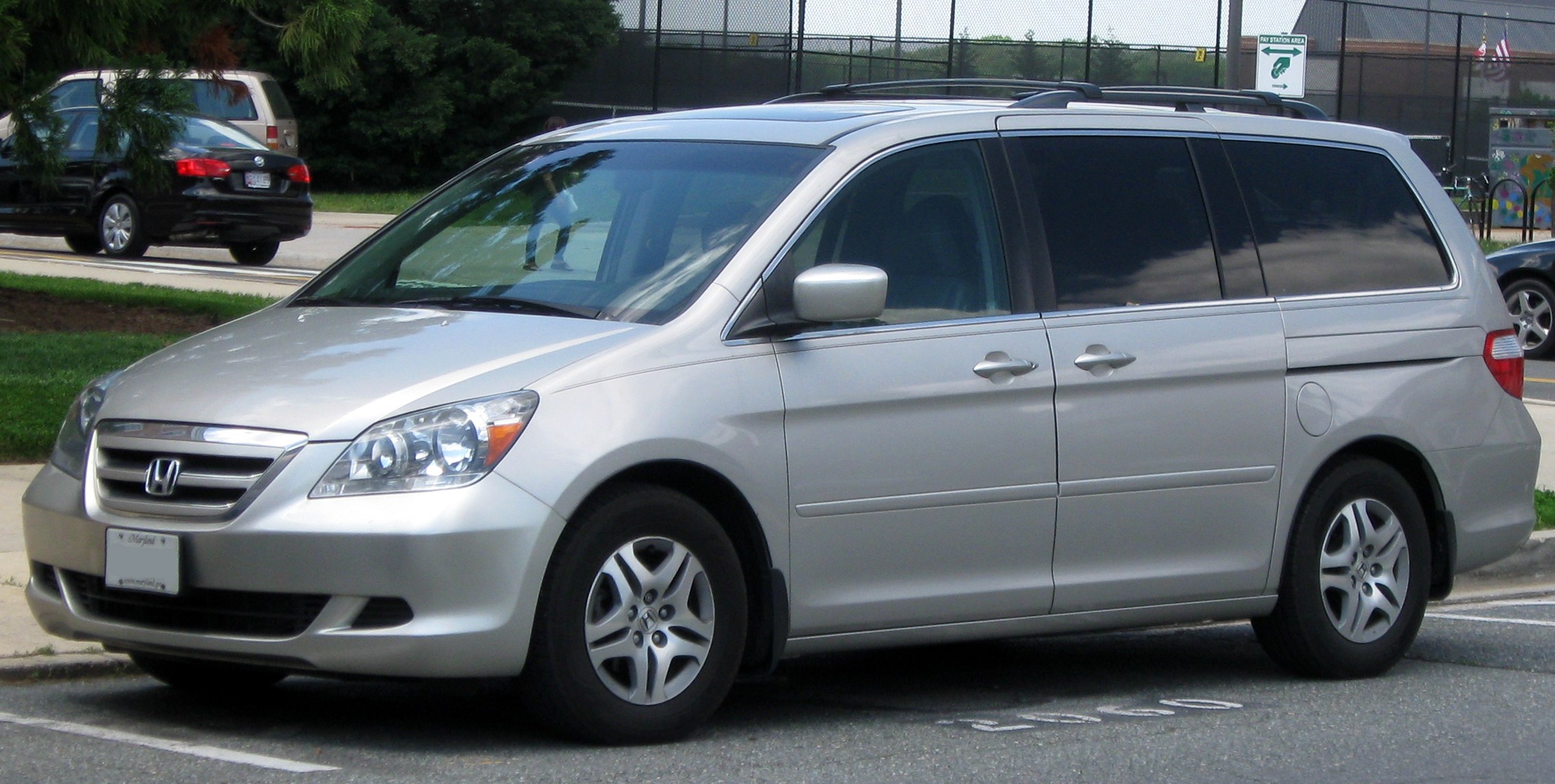
The most widely-read AHP example on the web. The Jones family picks between six Honda models on cost, safety, style and capacity — a three-level hierarchy with subcriteria, 133 comparisons, and a result that comes down to a near-tie between the Odyssey minivan and the Accord sedan. Although it's a contrived example, it's a good introduction to the method: complex enough to be realistic, familiar enough that anyone can follow the reasoning. It also showcases subcriteria.
Selecting a Warship for the Brazilian Navy
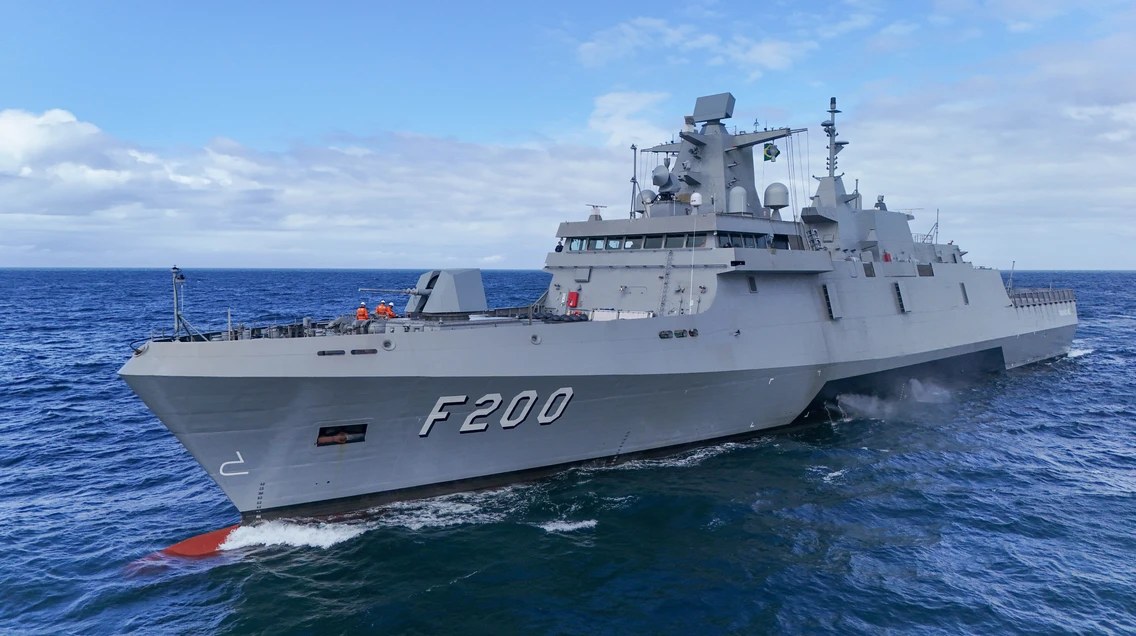
A peer-reviewed study from the International Journal of the Analytic Hierarchy Process in which the Brazilian Navy evaluates three candidate corvette designs across nine operational and cost criteria. The criteria weights come from interviews with ten experienced naval officers; the alternative comparisons come from measured attribute data (gun calibres, nautical miles, displacement-derived costs), which exercises fractional judgment values heavily. Our reproduction matches the published scores to three decimal places.
Choosing an ID Format at The New York Times

A small but real engineering decision: the NYT Identity team uses AHP to pick a canonical user-ID format from four candidates (UUID, Snowflake, Nano ID, XID) across five criteria. The team's public write-up published every input judgment as CSV, which gives a complete reproduction target. The eigenvector and geometric-mean methods disagree at the criterion level by a few percentage points, but the alternative-level scores match within ±0.006 and the rankings are identical.
More to Come
These three were chosen to be deliberately varied: a consumer decision, a defence-procurement study, and a software-engineering call. More case studies are planned, including larger and more complex models. If there's a published AHP example you'd particularly like to see recreated, please let me know.
— Philip